
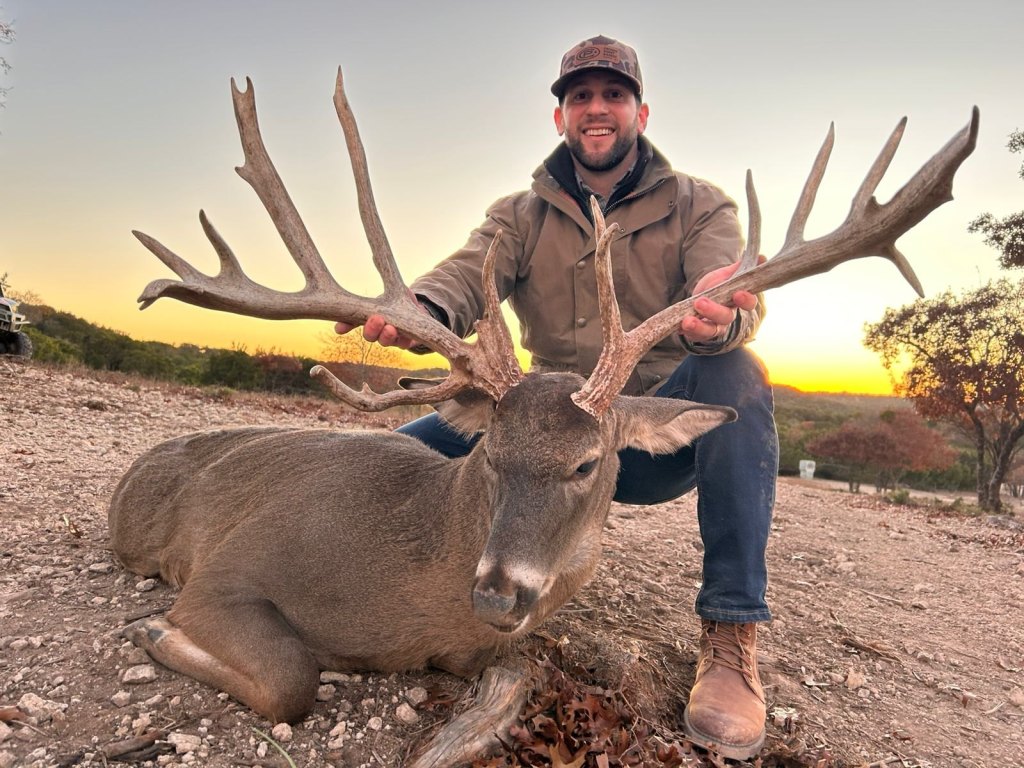


This is the question underneath every other question. Nobody builds a high fence because they want to own deer. They build it because they want to walk out one December morning and put a hand on something they could not have shot anywhere else. So how long does that take?
The honest answer is that two clocks are running at once, and you can start them both on the same day.
First, what "mature" actually means
Worth pinning down, because the word gets used loosely and the difference between age classes is enormous.
A buck does not finish growing antler when he finishes growing body. He keeps adding through his fourth, fifth and sixth years, and the jumps between age classes are not subtle — the same deer at two and a half and at four and a half can look like two different animals. That is why we sell stockers at two: they are old enough to be worth hunting and young enough that a patient owner can turn them into something considerably better.
| Age | What you have |
|---|---|
| 2.5 | A good deer with obvious potential. Where our stockers start. |
| 3.5 | Impressive enough that most people shoot him. This is the mistake. |
| 4.5 | Mature. Mass, tine length and character all arrive together. |
| 5.5–6.5 | Peak. What a serious program is actually built to produce. |
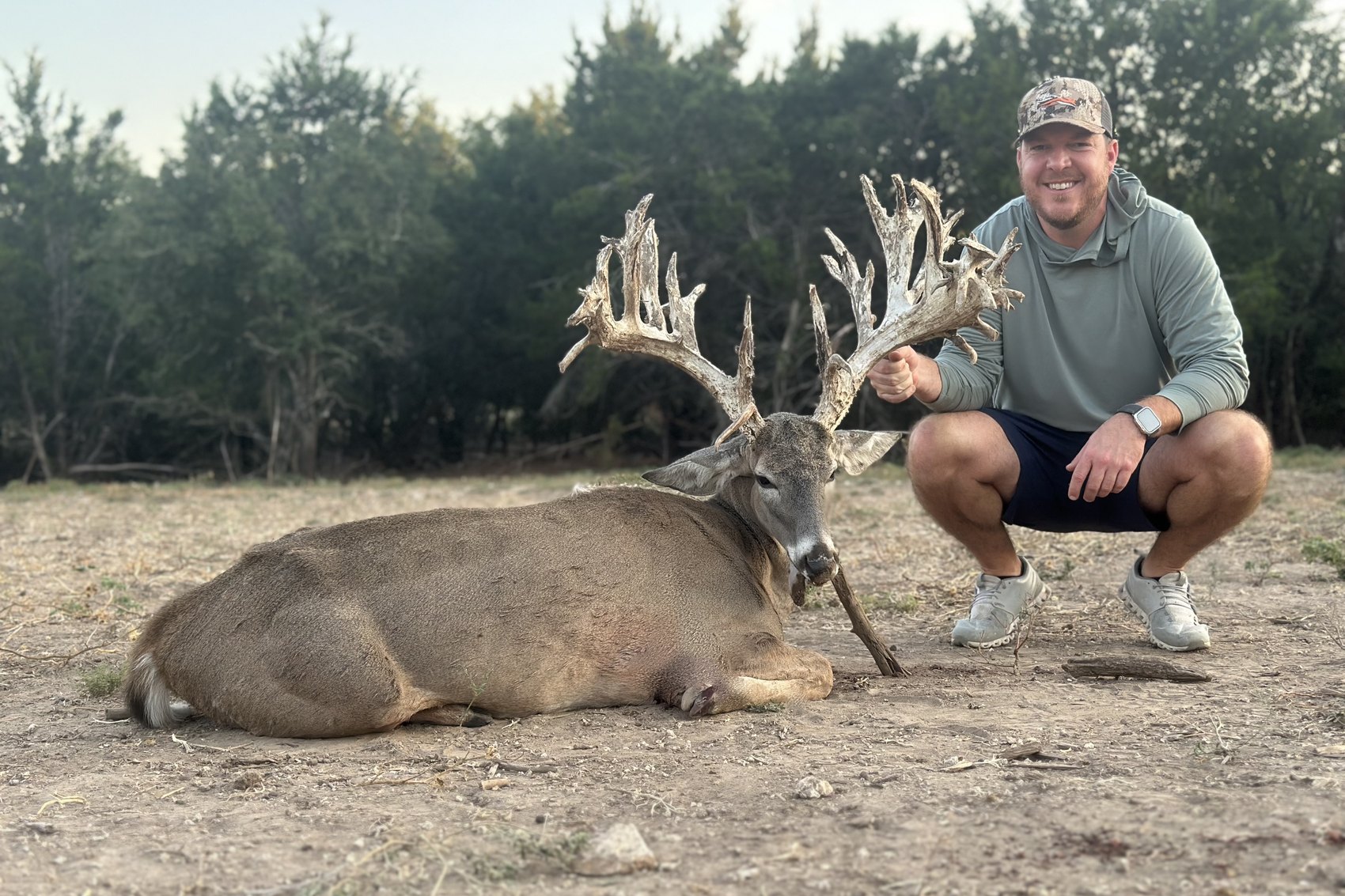
Clock one: bought deer. This season or next.
If you want to hunt soon, you buy the years instead of growing them. Stocker bucks arrive at two and a half, already scored, already carrying the genetics. You have three options with them and they all work:
- Hunt him this fall. Fastest possible answer. You have a deer on the wall the first season your gate is closed.
- Let him walk two years. Release him, feed him, hunt him at four and a half. Same purchase price, considerably more deer, and this is what we would do.
- Buy a few of each. Some to hunt now, some to grow. Most of our clients land here.
The second option is the one people overlook, and it is the best value on our price list. A 200″–250″ stocker costs $7,500 whether you shoot him in November or in three Novembers. Two years of feed is a fraction of what the difference in the animal is worth.
Clock two: deer you raised. Five years.
The other clock starts with does, and it runs longer but it never stops. Buy live bred does and the arithmetic is straightforward:
| Season | Where your home-raised bucks are |
|---|---|
| Year 1 | Fawns on the ground the first spring. Roughly half are bucks. |
| Year 3 | That first crop is two and a half — the age we sell stockers at. |
| Year 4 | Three and a half. Tempting. Leave them alone. |
| Year 5 | Four and a half. Your first mature buck raised on your own dirt. |
| Year 6+ | A mature age class every single season, permanently. |
Five years sounds long until you notice what happens at the bottom of that table. Year six is not the end of the project — it is the year the ranch starts handing you a mature age class annually without you buying another animal. Everything before it is construction.
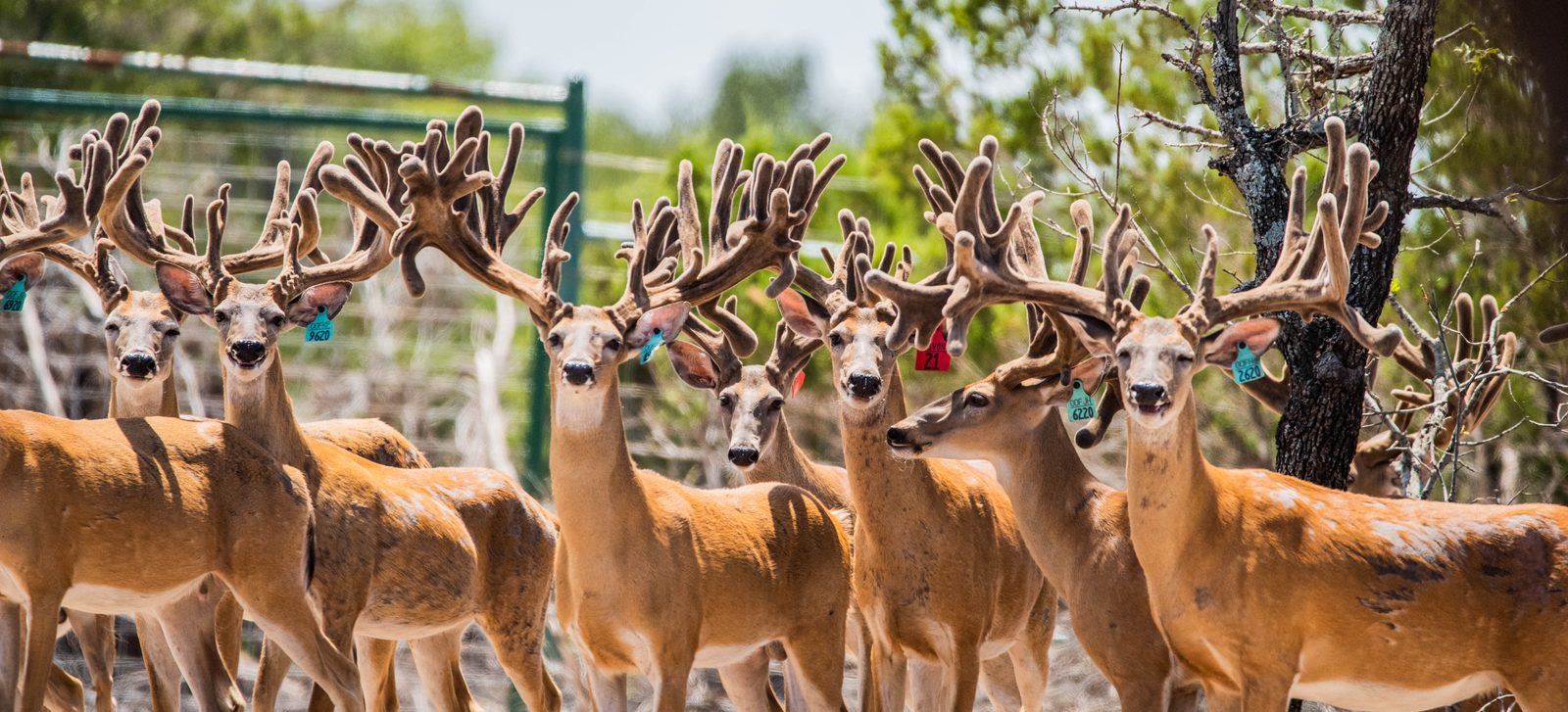
What pushes the timeline back
Almost every ranch that tells us it has been eight years and it still is not seeing mature deer is doing one of these four things.
Shooting three-year-olds. This is the big one, and it is not a knowledge problem — everybody knows. A three and a half year old buck is a genuinely impressive animal standing in front of a rifle in November, and the discipline required to let him walk is harder than any other part of this. But a buck shot at three is a buck that never became a buck at four, and a ranch that shoots its best three-year-olds every season will never produce a mature deer no matter what it spends on genetics. Write your harvest rules down before the season starts, when nobody is looking at a deer.
Overstocking. Too many mouths on the same browse and every deer gives up antler. Density is the fastest way to undo a good genetic base.
Treating feed as discretionary. Genetics set the ceiling; nutrition decides how close you get. A protein program you cut in a dry year costs you an age class you cannot get back.
Buying the cheaper animal. Open yearlings instead of bred does, or bargain deer of unknown lineage. Both save money once and cost seasons repeatedly.
What pulls it forward
Buy bred, not open. A full year, for $1,250 a head.
Board while you build. If your fence is not finished, the Jumpstart Program runs $125 per deer per month and your does breed on schedule in our pens instead of waiting on your contractor. You take delivery of a herd that has already been producing.
Raise the ceiling while you wait. The five years pass either way. What is growing during them is up to you, and AI straws put sires in your fawn crop that would cost six figures to own outright. Same timeline, better deer at the end of it.
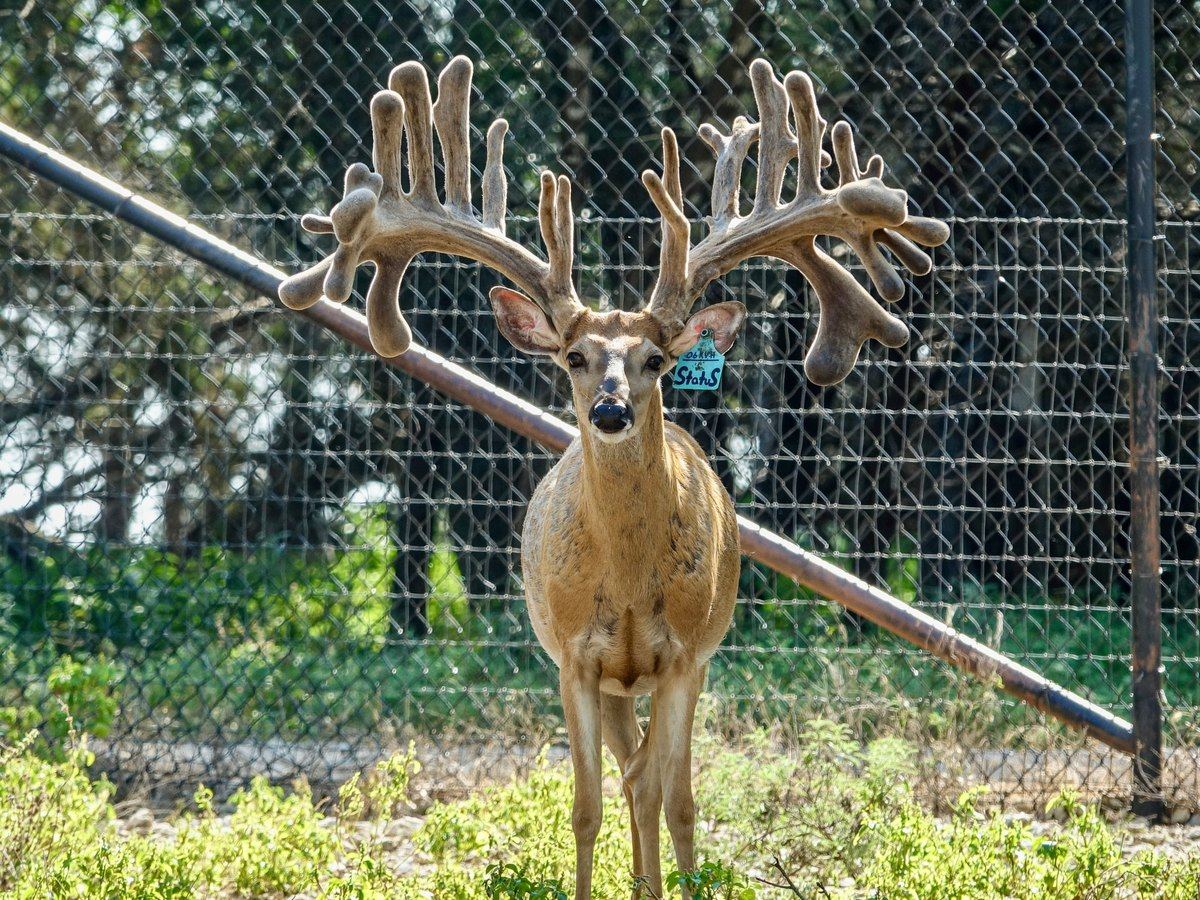
So, realistically
Assuming the fence is up, bred does and a handful of stockers go in this year, and you hold your harvest discipline:
- Year 1. Something worth hunting, if you want it — a bought stocker.
- Year 3. Your original stockers are mature. Real hunting on bought deer.
- Year 5. First mature buck you raised yourself.
- Year 6 onward. A self-sustaining program. Multiple age classes, every season, no further purchases required.
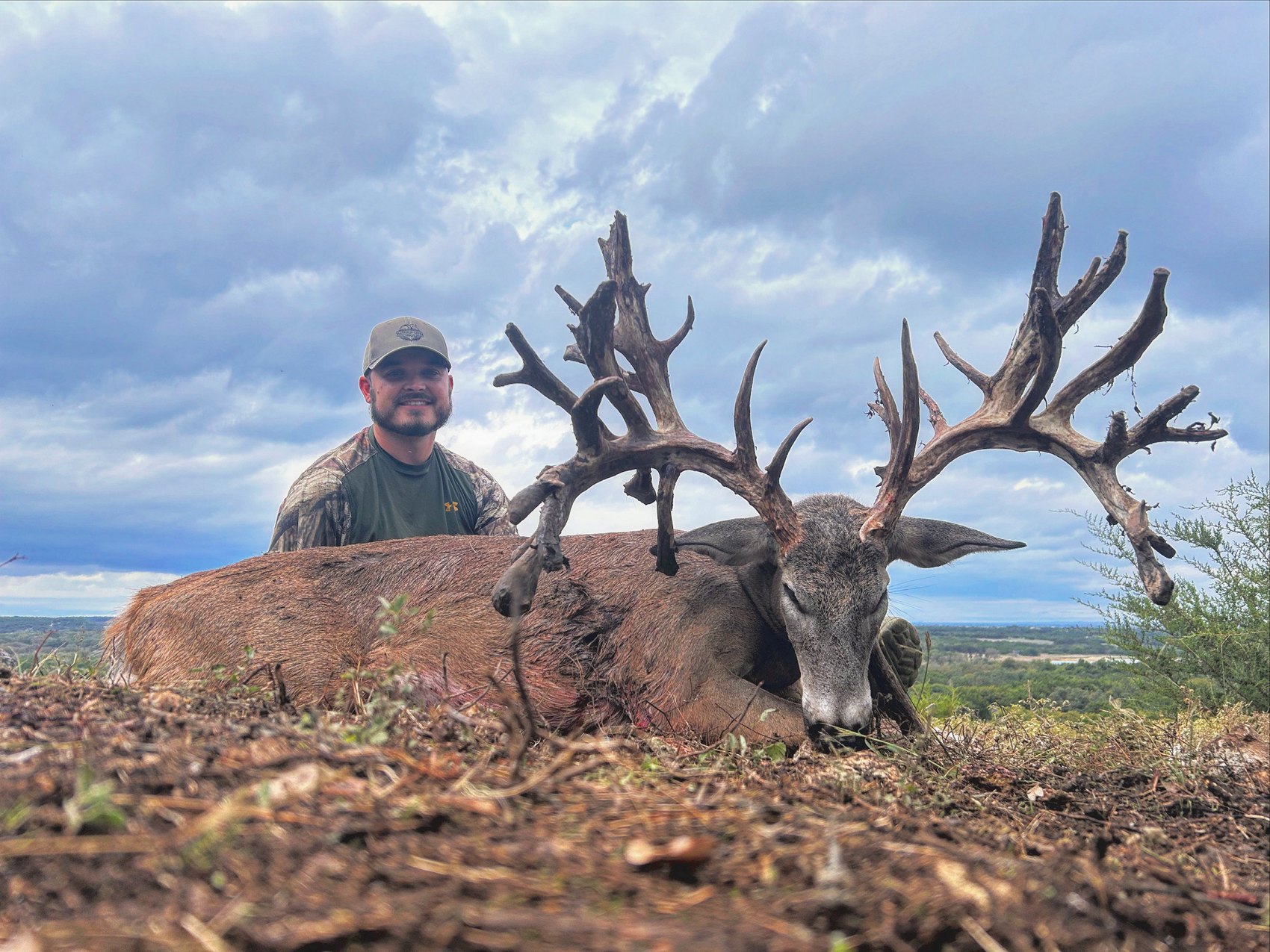
Six years from bare ground to a ranch that produces mature whitetails on its own. That is the real number, and anybody quoting you less is selling you a stocker buck and calling it a program. The deer on our results page came out of exactly this sequence.
The short version
Buy stockers and you can hunt this fall. Buy bred does and you hunt a deer you raised in year five, then every year after that forever. Do both at once, feed them properly, and stop shooting three-year-olds — that last one is free and it matters more than anything you can purchase.
Tell us what season you want to be hunting mature deer and we will work backwards to what you need to buy this year. Call 714-388-7020.
 Crown Point Whitetails
Leave a comment